The work “The Tractor” is a paradoxical ritual, performed in the bucolic landscape of the Greek countryside, with its central pursuit being the exploration of meanings surrounding desire and human relationships. It plays with the boundaries between pleasure and arousal, vulnerability and empowerment, and invites us to reconsider concepts such as self-acceptance and mutual acceptance. Through an original use of otherwise deeply traditional elements of heritage, it sheds light—in a profoundly contemporary way—on pressing questions of our time, such as issues of self-determination, and of sexual and gender-based violence, which are constantly under social and political scrutiny, making the violence surrounding them a part of everyday experience.
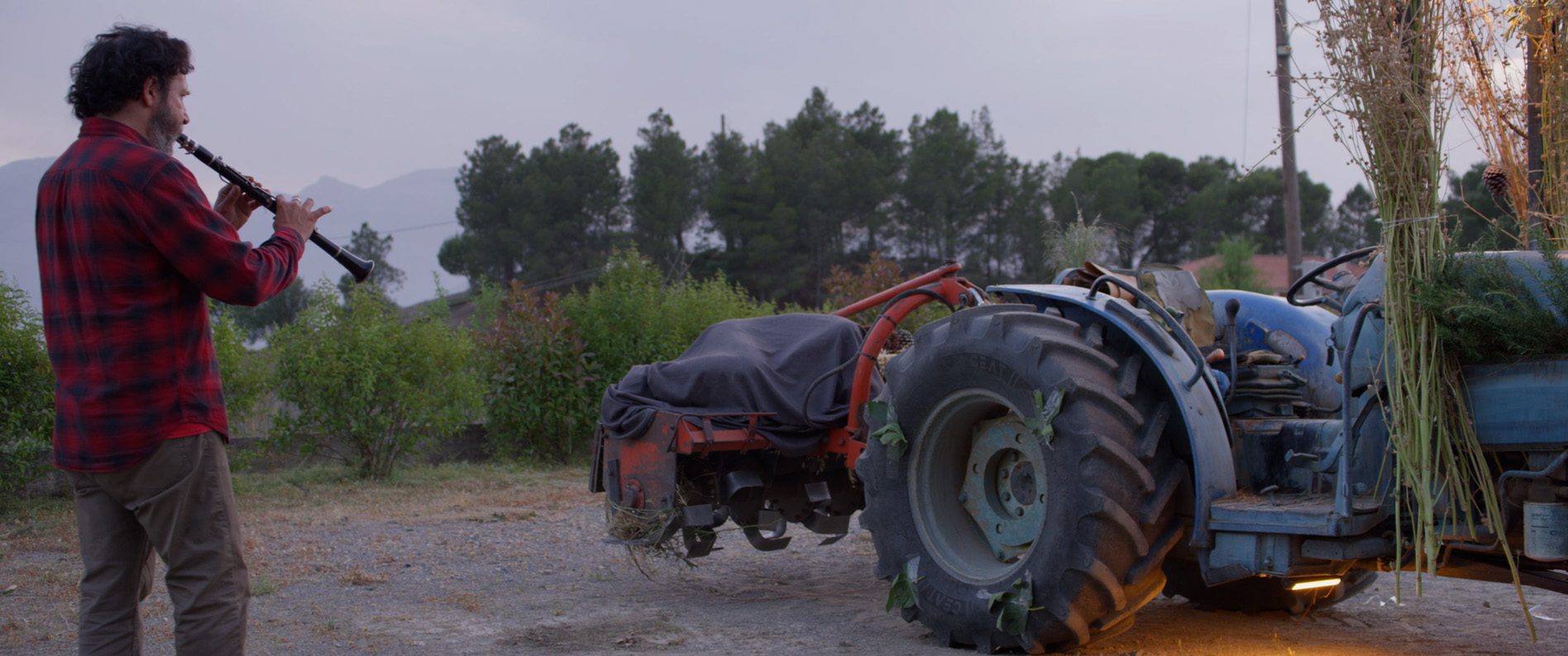
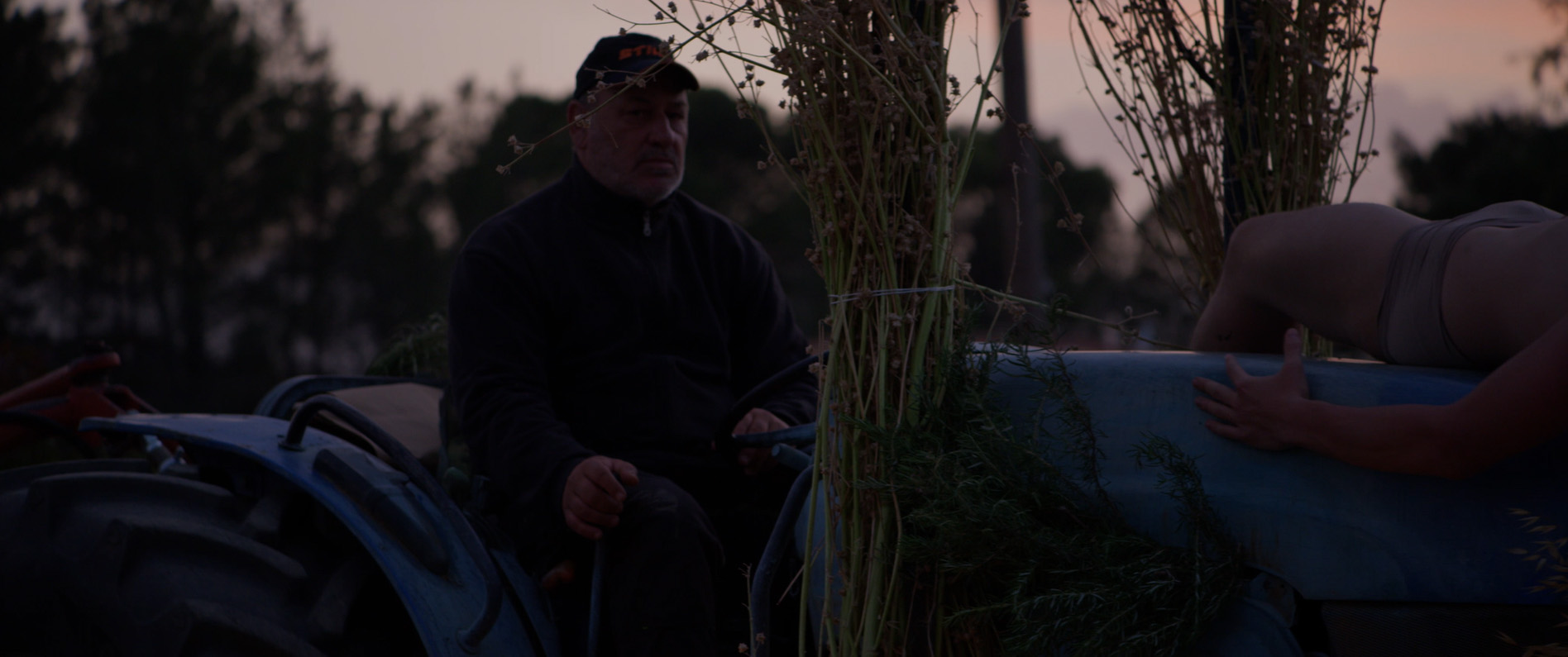
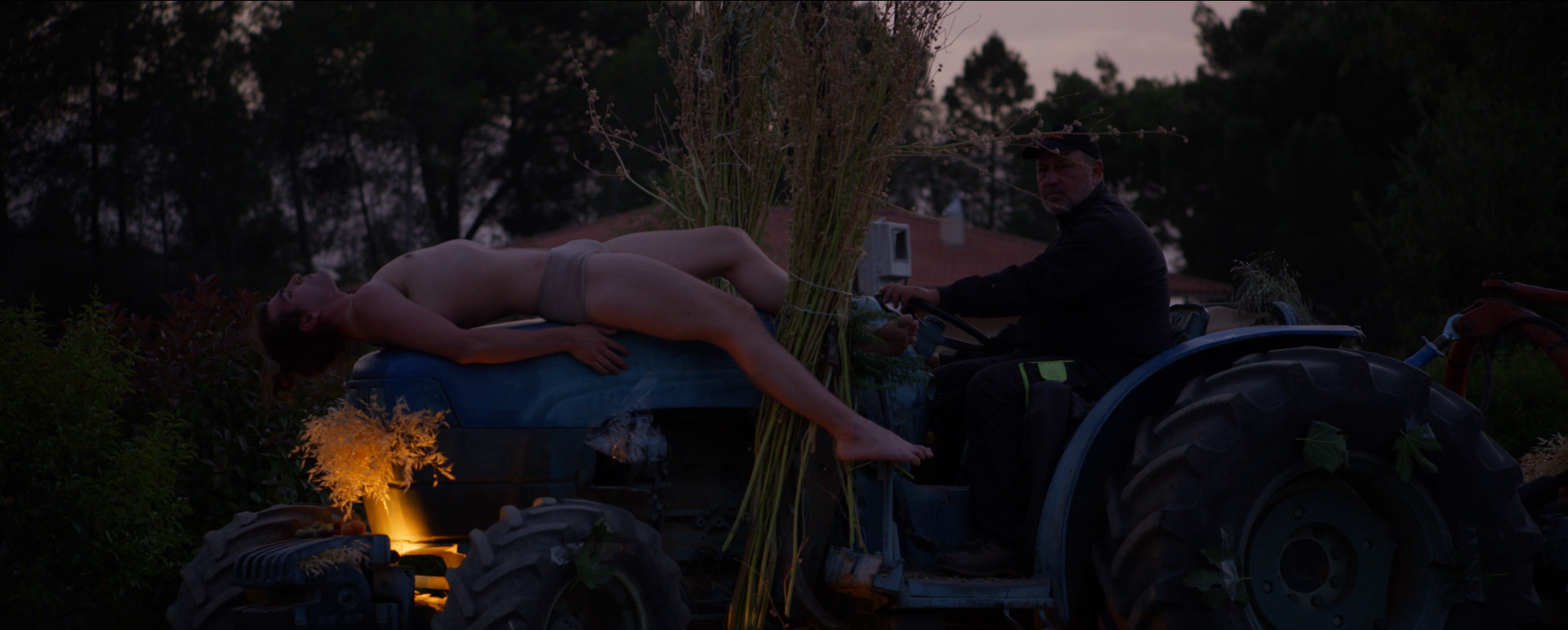
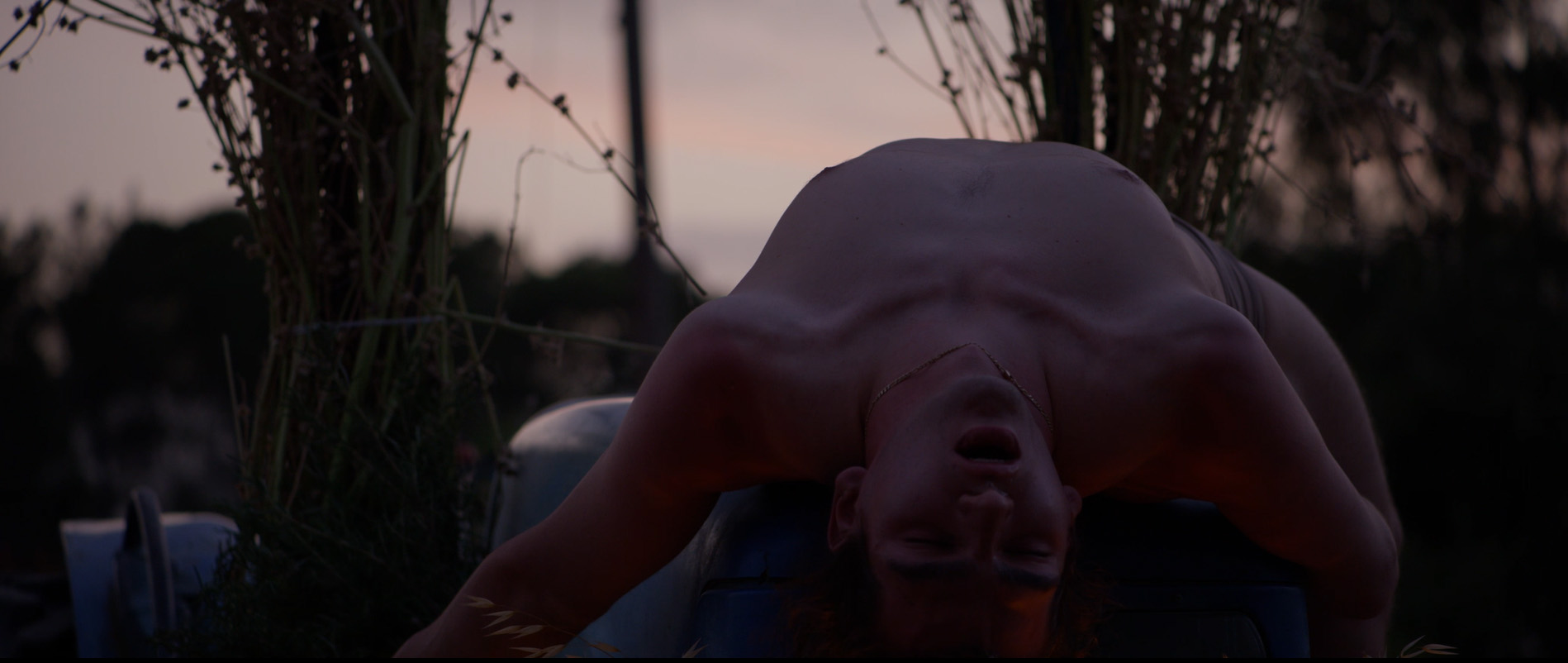
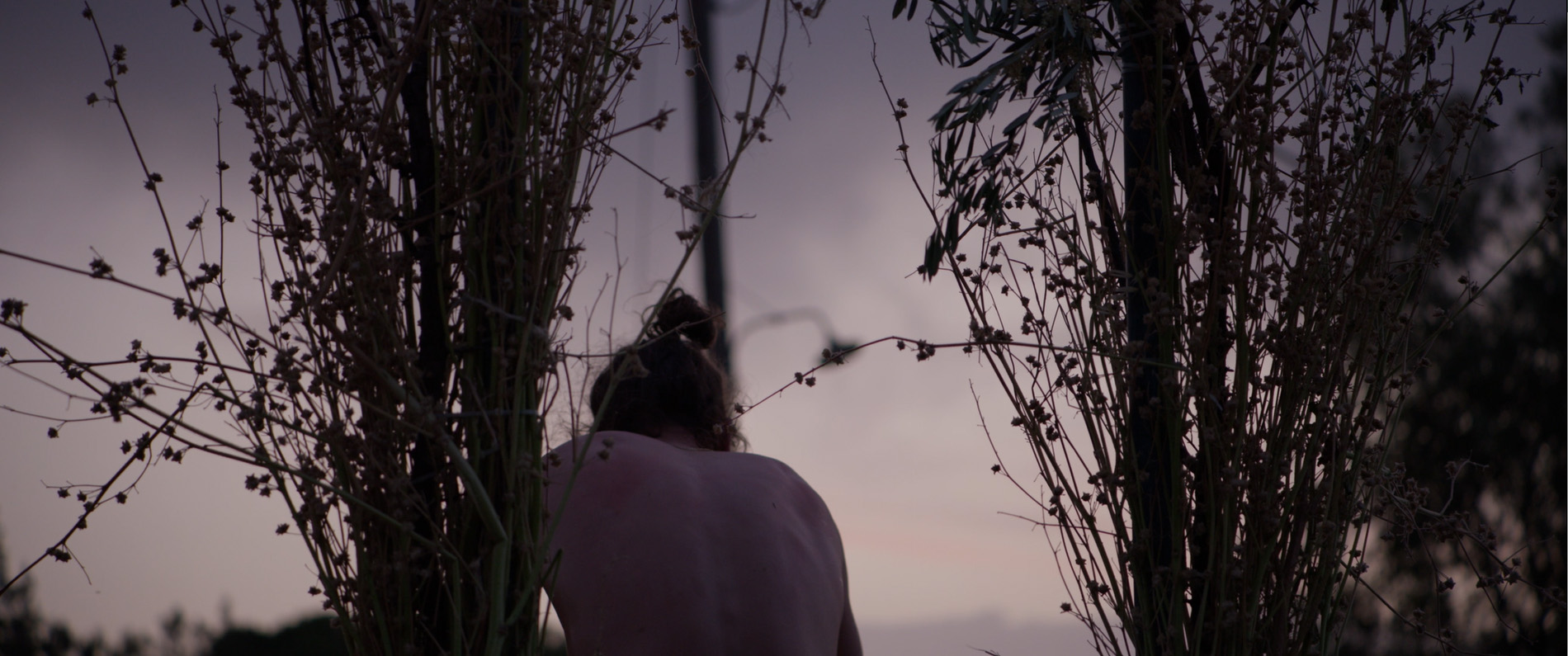
In a symbolic rural setting, before a small chapel, a body lies on the back of a tractor. A clarinet plays laments and wedding songs in its honor. Gradually, the space is transformed into a world of ritual, as the body awakens and begins to interact with the tractor as if it were a lover. Within this ritualistic action, we witness a symbolic union between body and machine—a wedding—and ultimately, the transformation of the tractor into a totem, using natural materials.
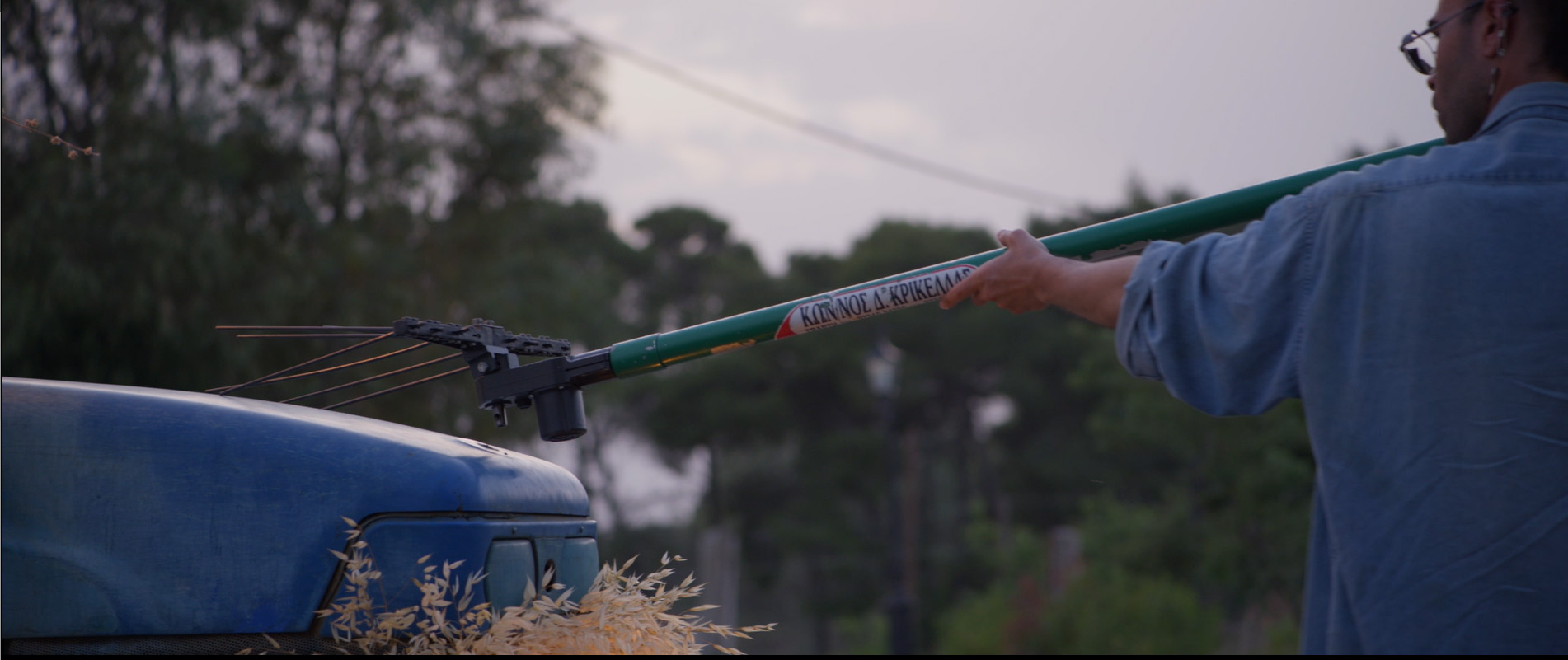
Dramaturgically, the work unfolds along three main axes: agricultural practices, ritual customs and traditions, and the deeper exploration of human desire. The choreography, scenography, and music are constructed on the foundation of traditional rituals such as marriage, funeral rites, the procession of the Epitaphios, Easter, and consecration. Elements such as the decoration of the tractor with materials from the surrounding area, its circular movement in harmony with the body and its operator, and the sound of the clarinet—sometimes mournful, sometimes festive—form the performative identity of the piece.
The soundscape of the work is rooted in Greek musical tradition, featuring laments and wedding songs performed live by a clarinetist. As the performance evolves, these sounds are transformed through sound design into dreamlike textures, constructing an aural world of ritual and myth that contrasts with the heavy drone of the tractor’s engine. In the climax, the bell, the clarinet, and the tractor come together to compose a sonic atmosphere of resurrection.